Why maternal health progress is uneven in India
India reduces maternal deaths but gaps remain across states
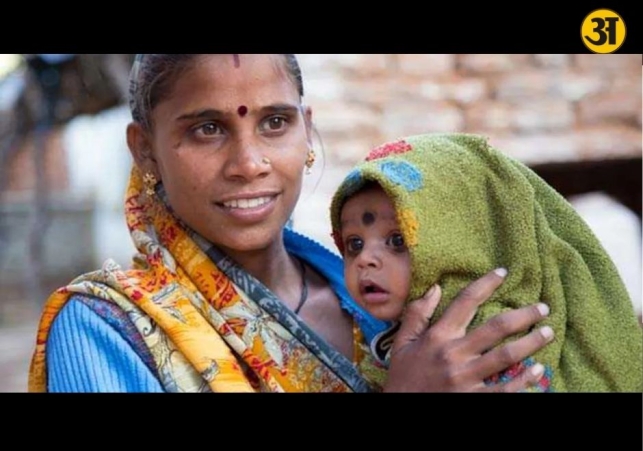
India has made strong progress in reducing maternal deaths over the past few decades, but this progress has not been equal across all regions. While some states have achieved very low maternal mortality rates, others continue to struggle with high numbers, showing a clear gap in healthcare access and quality.
According to a study published in The Lancet, around 24,700 women died due to pregnancy-related causes in India in 2023. This means India alone accounted for nearly 10 per cent of all maternal deaths worldwide. Globally, about 2.4 lakh women died due to such causes in the same year.
Maternal mortality refers to the death of a woman during pregnancy, childbirth, or shortly after delivery. Most of these deaths are preventable with proper medical care, timely intervention and good health systems. The global maternal mortality ratio has improved over the years, dropping from 321 deaths per lakh live births in 1990 to around 190 in 2023. However, it is still far from the global target of fewer than 70 deaths per lakh births by 2030.
India’s performance, in comparison, has been better than the global average. The country has reduced maternal deaths by about 77 per cent since 1990, which is much higher than the global reduction of 41 per cent. This shows that efforts made by the government and healthcare system have had a strong impact.
Uneven progress across states
Despite the overall improvement, the situation is not the same everywhere in India. Some states have made excellent progress and have already reached or even gone below the global target. States like Kerala, Tamil Nadu, Andhra Pradesh and Maharashtra have maternal mortality rates that are close to or even below the desired level.
These states have stronger healthcare systems, better hospital facilities and higher awareness among people. Most women in these regions deliver their babies in hospitals, which reduces the risk of complications. There is also better access to trained doctors, nurses and emergency care when needed.
In contrast, several states in northern and eastern India still face serious challenges. States such as Uttar Pradesh, Bihar, Madhya Pradesh, Chhattisgarh and Odisha report maternal mortality rates that are much higher than the global benchmark. In some cases, the rates are almost double the target level.
The reasons for this gap are many. In these regions, healthcare facilities are often limited, especially in rural areas. Many women still give birth at home without proper medical support. Lack of awareness, poor nutrition and delays in reaching hospitals also contribute to higher risks during pregnancy and childbirth.
Another issue is the shortage of trained healthcare workers. In some areas, there are not enough doctors or nurses to handle emergencies. Poor road connectivity and transport facilities also make it difficult for pregnant women to reach hospitals on time.
ALSO READ: Trump signals possible Iran deal while warning of strong military action
ALSO READ: Iran launches manhunt for missing US pilot after fighter jet shot down
Causes and need for stronger care
Most maternal deaths are caused by conditions that can be prevented or treated. These include heavy bleeding (haemorrhage), high blood pressure during pregnancy, infections and complications during delivery. With proper medical attention, many of these problems can be managed effectively.
However, the pace of improvement in maternal health has slowed down in recent years. After steady progress for many years, the rate of decline has reduced since around 2015. The COVID-19 pandemic also affected healthcare services, leading to disruptions in maternal care in many places.
Experts believe that improving maternal health requires a stronger and more focused approach. This includes better healthcare infrastructure, especially in rural and remote areas. Hospitals need to be equipped with proper facilities, and more trained staff must be available.
Awareness is also very important. Women and families need to understand the importance of regular check-ups during pregnancy. Early detection of problems can save lives. Nutrition during pregnancy is another key factor, as poor nutrition increases the risk of complications.
Government schemes that promote institutional deliveries and provide financial support to pregnant women have already made a difference. Expanding these programmes and ensuring they reach every part of the country can help reduce the gap between states.
Another important step is improving emergency care. Quick response during complications can make a huge difference. Ambulance services, better roads and efficient referral systems can help ensure that women get timely treatment.
India’s progress in reducing maternal deaths is a positive sign, but the journey is not complete. The country is moving closer to the global target, but uneven development remains a major challenge.
The goal now is not just to reduce overall numbers, but to ensure that every woman, no matter where she lives, has access to safe and quality maternal care. Bridging the gap between states will be key to achieving this.
Maternal health is not just a medical issue. It reflects the overall strength of a country’s healthcare system and its commitment to the well-being of women. Continued efforts, better planning and equal focus on all regions can help India move closer to a future where no woman dies while giving life.
Related News